
What Does Form W-4 Change on My Paycheck? A Costly 5-Box Guide
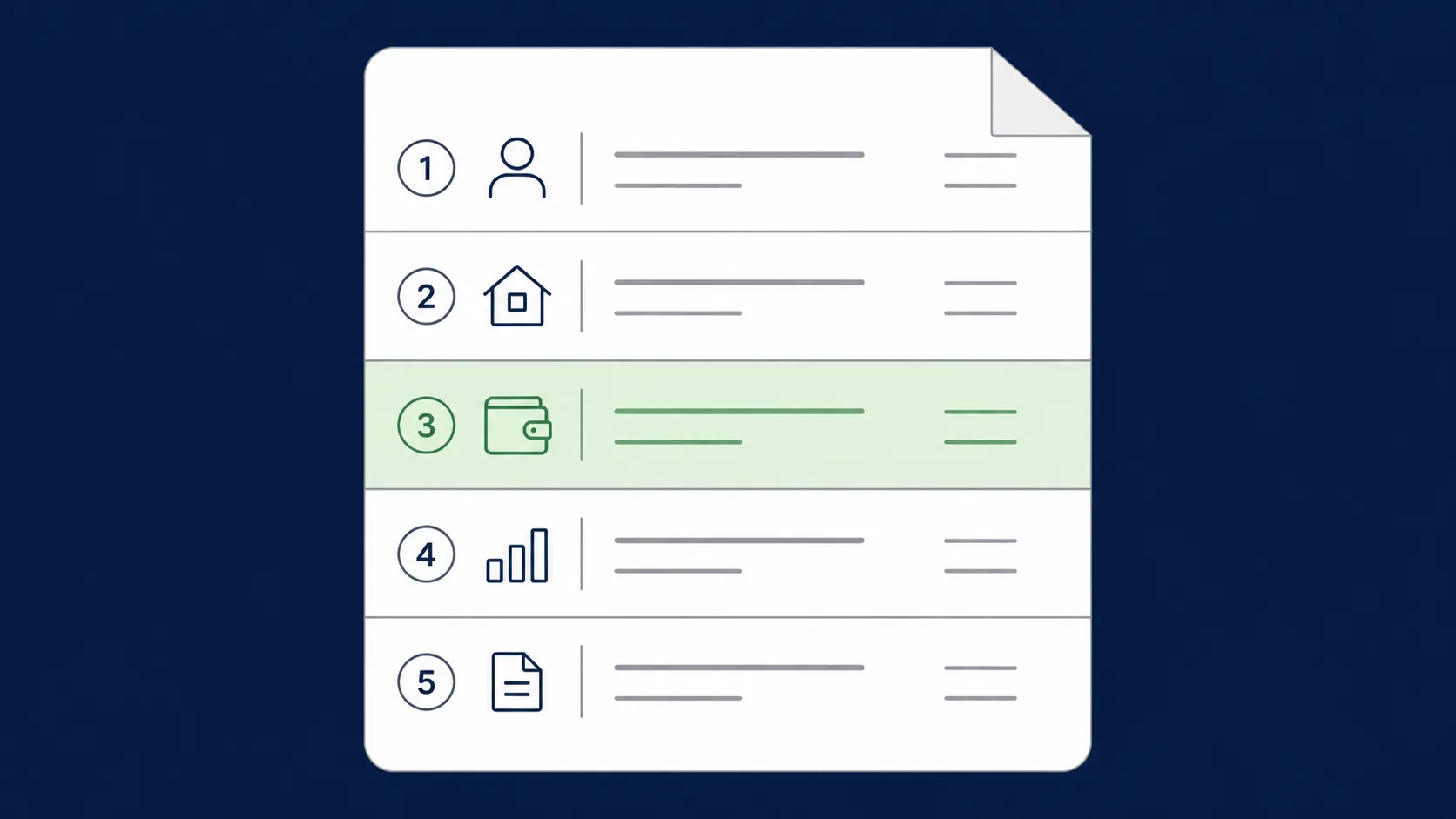
What does Form W-4 change on my paycheck? Every box you fill out on this form feeds directly into how much federal income tax your employer withholds — and most people complete it once at hiring and never look at it again. If you want to see the effect immediately, our Texas paycheck calculator lets you test different W-4 entries against your actual salary before you change anything on paper.
What Does Form W-4 Change on My Paycheck — The Basics
Form W-4 exists because your employer has no way to know your full tax picture on its own — it only knows what you tell it on this form. So the honest answer to what does Form W-4 change on my paycheck is: almost everything about your withholding, and nothing about your actual tax bill. The form only estimates; your tax return settles the real number.
The form was substantially redesigned in 2020, moving away from an older “allowances” system to the current dollar-and-percentage-based approach — which is part of why W-4 advice from before that redesign no longer matches what’s actually on the form today, or answers what does Form W-4 change on my paycheck correctly.
What Does Form W-4 Change on My Paycheck, Box by Box
Step 1 is your filing status and basic identification — single, married filing jointly, married filing separately, or head of household. This single choice changes the tax brackets and standard-deduction assumptions used in your withholding calculation, which is why two people on the same salary can see noticeably different withholding.
Step 2 exists for households with more than one income source — a second job for you, or a working spouse. Checking this changes the withholding math to account for combined household income, since the tables otherwise assume your W-4 job is your only one. Skipping it when it applies is one of the most common reasons people owe money at tax time despite having taxes withheld all year.
Step 3 covers dependents — the Child Tax Credit and the credit for other dependents. Entering the correct number here lowers your withholding, because the form estimates you’ll owe less once those credits apply on your return.
Step 4 is optional and split into three parts. 4(a) is other income not from a job, which raises withholding. 4(b) is deductions beyond the standard deduction, which lowers it. 4(c) is a flat extra dollar amount withheld per paycheck, often used by people who want a bigger refund.
Here’s what does Form W-4 change on my paycheck, laid out box by box:
| Step | What It Controls | Effect on Withholding |
|---|---|---|
| Step 1 | Filing status | Sets your bracket & deduction baseline |
| Step 2 | Multiple jobs / spouse works | Increases withholding to match combined income |
| Step 3 | Dependents & credits | Decreases withholding |
| Step 4(a) | Other income | Increases withholding |
| Step 4(b) | Extra deductions | Decreases withholding |
| Step 4(c) | Extra withholding amount | Increases withholding by a fixed dollar amount |
For the full current instructions straight from the source, the IRS’s official Form W-4 page walks through each step in the government’s own language, which is useful if your situation doesn’t fit neatly into one of the boxes above.
Where a Wrong Box Costs You at Tax Time
Getting Step 2 or Step 3 wrong doesn’t just affect a nice-to-have estimate — it directly changes how much money lands in every paycheck, and it compounds over a full year. Someone with a working spouse who skips Step 2 might see a comfortable-looking paycheck all year and then owe a surprising amount in April, simply because the withholding tables assumed a single income the whole time. That gap between expectation and reality is exactly what does Form W-4 change on my paycheck comes down to in practice.
The safest habit is to revisit your W-4 any time your household income changes — a new job, a spouse starting work, or a dependent count that’s shifted — rather than treating the form as a one-time hiring formality.
Wondering what does Form W-4 change on my paycheck for your specific situation? Our Texas paycheck calculator includes fields matching every one of these W-4 sections, so you can see exactly how a specific filing status, dependent count, or Step 4 entry changes your estimated take-home pay before you commit to it on the actual form.
Pay schedules are fundamentally a dates problem — see our Dates and Time Planning cluster →
Texas Paycheck Calculator
Run the actual numbers free, no signup required.
Related questions
What does FICA actually fund?
FICA taxes fund Social Security and Medicare — the money withheld from your paycheck today funds current beneficiaries’ benefits, under a pay-as-you-go structure, rather than being held in a personal account for you specifically.
What’s the real difference between biweekly and semi-monthly pay?
Biweekly pay happens every two weeks, producing 26 paychecks a year (occasionally 27); semi-monthly pay happens twice a month on fixed dates, producing exactly 24 paychecks a year — the per-check amount differs even for an identical annual salary.
Why does a bonus check often look smaller than expected?
Bonuses are frequently withheld at a flat supplemental rate rather than your regular graduated rate, which can make that single check’s withholding look disproportionately high even though your annual tax liability evens out at filing time.